Gabapentin Addiction: Understanding the Risks of Abuse

Medical Providers:
Dr. Michael Vines, MD
Alex Spritzer, FNP, CARN-AP, PMHNP
Clinical Providers:
Natalie Foster, LPC-S, MS
Last Updated: September 26, 2025

Gabapentin, often recognized by the brand name Neurontin, is a prescription medication commonly used to manage nerve pain and prevent seizures. While it’s FDA-approved and effective for legitimate medical purposes, gabapentin can also be misused, leading to dependence or addiction.

In this guide, we’ll explore how gabapentin works, its medical uses, the risks of gabapentin addiction, and why seeking proper addiction treatment is essential for recovery.

Our Gabapentin Addiction Treatment Centers

You deserve a second chance. Reclaim your life from substance abuse today.

What is Gabapentin Used For?

Gabapentin, also known as Neurontin, was initially developed to help control seizures in people with epilepsy. Over time, it has become widely used for other conditions, including nerve pain, restless legs syndrome, and some forms of anxiety, thanks to its versatility and effectiveness.

Conditions Treated By Gabapentin

Icon Depicting Seizures

Seizures

Gabapentin is often used as an add-on treatment for epilepsy, helping to manage seizures that aren’t fully controlled by other medications.

icon showing muscle pain

Nerve Pain

Gabapentin is also effective at easing nerve pain, including discomfort from conditions like shingles (postherpetic neuralgia) and diabetic neuropathy.

Restless Legs Syndrome

Gabapentin can help relieve symptoms of restless legs syndrome (RLS), a condition marked by uncomfortable sensations and a strong, uncontrollable urge to move the legs.

addiction can cause unpleasant thoughts or feelings of anxiety

Anxiety Disorders

While gabapentin isn’t FDA-approved for anxiety, some healthcare providers prescribe it off-label to help manage anxiety symptoms, especially for patients who haven’t found relief with other treatments.

Forms and Dosage

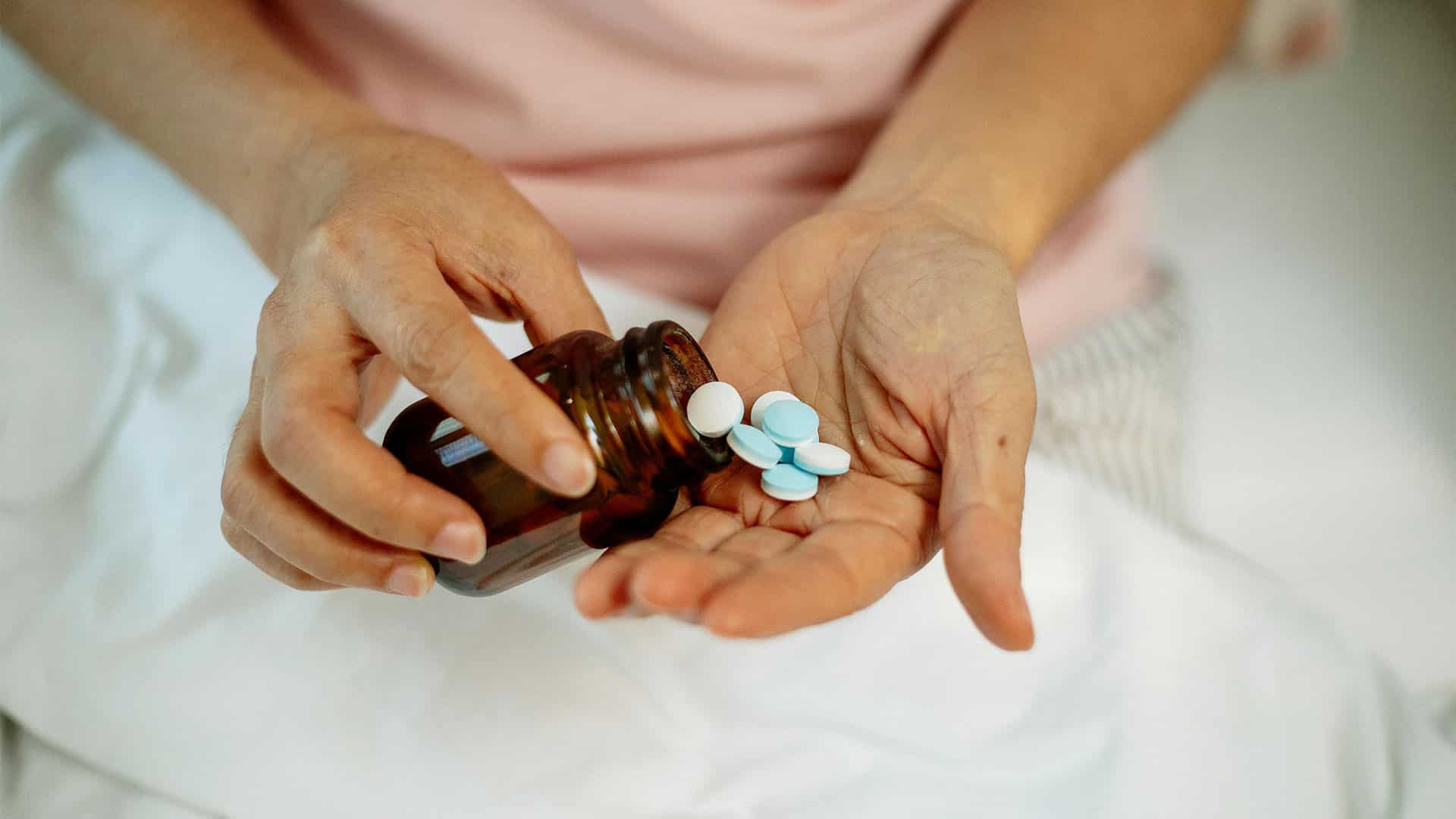
Gabapentin is commonly available as oral capsules, tablets, and liquid solutions. Typical doses for managing nerve pain or controlling seizures usually start around 300 mg, but the exact amount varies based on a patient’s needs and how they respond to the medication.

Gabapentin Mechanism of Action

Gabapentin works by influencing how nerves communicate with the brain. It binds to certain calcium channels on nerve cells, which decreases the release of neurotransmitters that send pain signals and trigger seizures. By stabilizing nerve activity and calming abnormal electrical impulses, gabapentin can help control seizures and ease pain.

Gabapentin for Anxiety

Research and clinical experience indicate that gabapentin may help some people with anxiety disorders. It’s believed to influence neurotransmitter systems that regulate mood and anxiety, offering relief for certain patients.

However, healthcare providers need to monitor its use carefully, as taking gabapentin for anxiety carries a risk of dependence and other potential side effects.

Don’t let gabapentin control your life. Reach out for the support you need.

How is Gabapentin Addictive?

Even though gabapentin offers important medical benefits, it can be misused and lead to addiction. The risk is higher for individuals who take it in ways other than prescribed or at doses above the recommended amount.

Gabapentin addiction can occur when people use the drug to experience euphoria or to self-manage mental health challenges. Its impact on the brain’s reward system can create dependence over time, and stopping the medication may trigger withdrawal symptoms.

Risk Factors of Gabapentin Dependence

drug icon representing physical dependence

Long-Term Use

drugs

High Drug Doses

icon depicting drug tolerance can result to overdose

Pre-Existing Addiction Issues

Is Gabapentin a Narcotic?

Gabapentin isn’t classified as a controlled substance or narcotic, but its potential for misuse and addiction has prompted some experts to recommend stricter regulations. While it doesn’t fall under narcotics, gabapentin can still affect mood and perception, sometimes contributing to the development of substance use disorders.

It’s time to break free from addiction. Seek professional help now and start healing.

Unlike opioids, which directly affect the brain’s opioid receptors, gabapentin works through different pathways. However, it can still lead to psychological dependence in some people. Misusing gabapentin may result in serious consequences, including:

man holding his head sitting outside

Suddenly stopping gabapentin can trigger withdrawal symptoms like anxiety, restlessness, and insomnia. To reduce these effects, it’s important to taper off the medication gradually under the guidance of a healthcare professional.

Taking high doses of gabapentin or misusing the drug can sometimes cause breathing problems, especially when combined with other medications that depress the central nervous system.

Close-up Photo of an aching Man holding his Shoulder

Misusing gabapentin can impair coordination, raising the likelihood of accidents and injuries.

a stressed young man is worried because he is using drugs

Abusing gabapentin can worsen existing mental health conditions, causing mood swings, confusion, and difficulties with thinking or memory.

woman taking pills from jar on hand

Taking excessive amounts of gabapentin can result in overdose symptoms, including extreme drowsiness, dizziness, and in severe cases, coma.

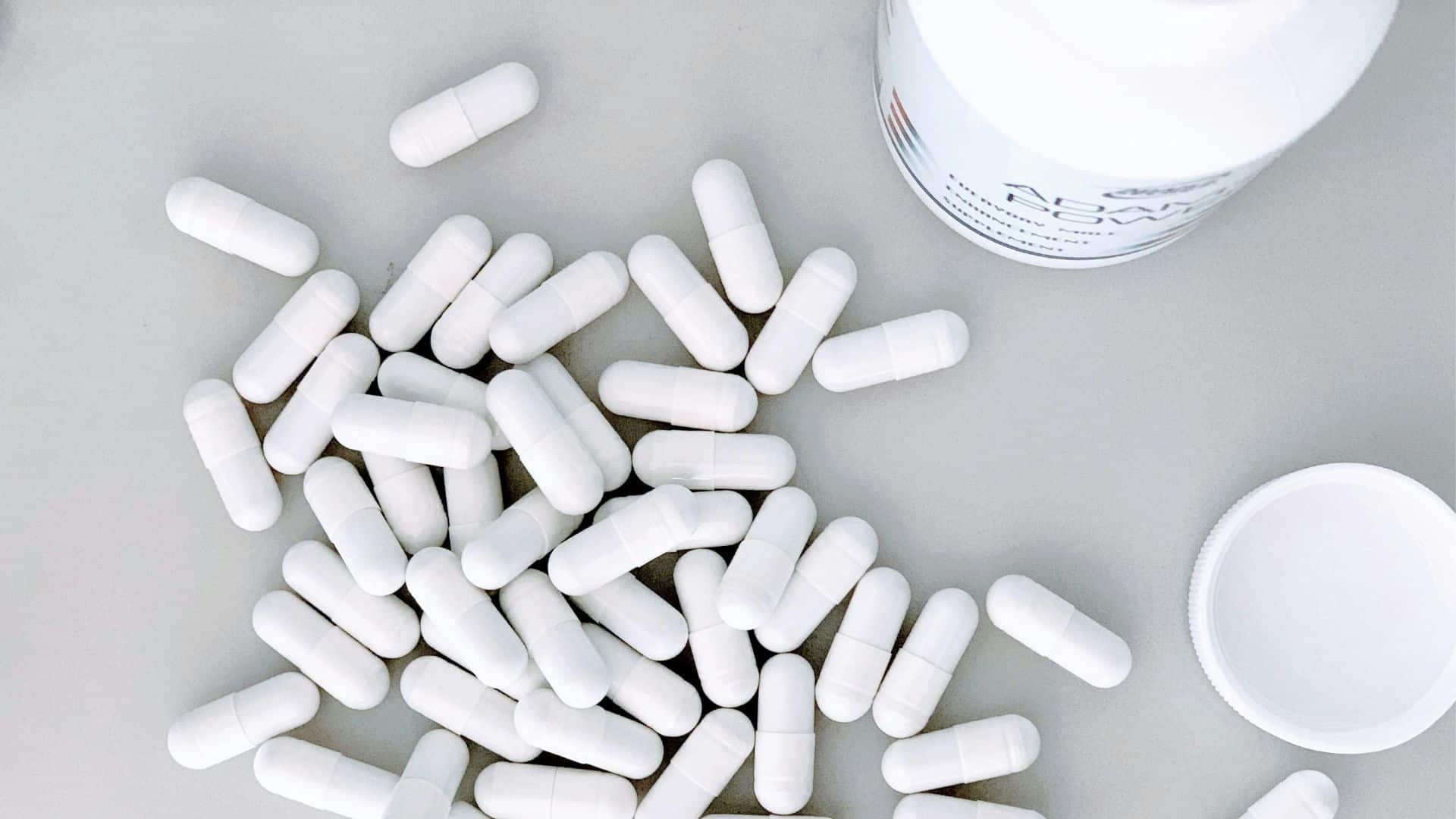
photo of white medication capsules

Long-term misuse of gabapentin can lead to both physical and psychological dependence, making recovery more challenging and raising the risk of relapse.

How is Gabapentin Misused?

Inappropriate Use

Some individuals may take higher doses of gabapentin than prescribed to intensify effects, like increased sedation or feelings of euphoria.

Recreational Use

Gabapentin is sometimes used recreationally for its sedative effects, especially when taken alongside other substances.

Combining with Other Substances

Mixing gabapentin with alcohol or other drugs can intensify its effects, but it also carries serious dangers. Combining substances may cause severe sedation, respiratory depression, or other harmful consequences.

Every step towards recovery counts. Begin your path to freedom with professional support.

Gabapentin can be an effective medication for a variety of conditions, but it carries risks when misused. While it’s not considered highly addictive, dependence can develop, particularly with higher doses or improper use. Recognizing the signs of gabapentin dependence and understanding its risks and treatment options are key to managing and preventing addiction.

If you or a loved one is struggling with gabapentin addiction, getting professional support is essential. Arizona IOP, a trusted addiction treatment center in Scottsdale, Arizona, provides personalized outpatient programs tailored to each individual’s needs. Contact our team today to learn about recovery options and take the first step toward regaining control of your life.

You are not alone in this fight. Discover treatment options at Arizona IOP.

  • A 2016 study found that gabapentin prescriptions in the U.S. rose from 39 million in 2012 to 64 million in 2016, making it one of the most commonly prescribed medications.
  • Gabapentin misuse has become increasingly common, impacting about 1% of the general population. Among those individuals, roughly 15–22% were also reported to be abusing opioids.
  • Deaths involving gabapentin have risen notably between 2019 and 2020, often occurring in combination with opioid use.

Discover how teamwork affects healthcare. Tune into our Podcast Today!