Understanding Alcohol Abuse Causes and Diagnosis

Medical Providers:
Dr. Michael Vines, MD
Alex Spritzer, FNP, CARN-AP, PMHNP
Clinical Providers:
Natalie Foster, LPC-S, MS
Last Updated: September 12, 2025

Alcohol remains the most commonly used substance in the United States. With constant exposure through social media and entertainment, it’s no surprise that alcohol abuse has become a serious concern nationwide.

When drinking escalates into alcohol abuse, the risks can be severe. Over time, a person may develop alcohol dependence, leading to dangerous side effects such as slurred speech, confusion, breathing difficulties, coma, and even death. The CDC estimates that excessive drinking leads to around 178,000 deaths in the United States every year—a stark reminder of how dangerous alcohol abuse can be when left unchecked.

Our Alcohol Treatment Programs

Struggling with alcoholism? We can help.

In the United States, alcohol abuse is linked to the deaths of 1 in 10 adults aged 20 to 64 each year. As one of the nation’s most widespread addictions, it’s important to know that help is available. Arizona IOP offers compassionate specialists who can guide you or your loved one toward the right treatment options.

Questions icon related to Klonopin detection and addiction treatment.

What is Alcohol?

There are three main types of alcohol: isopropyl, methyl, and ethyl, and all can be toxic to the human body. Of these, only ethyl alcohol is safe to consume. It’s commonly produced through the fermentation of starches, yeast, and sugar, and it’s the type found in alcoholic beverages.

Alcohol is classified as a central nervous system depressant, meaning it slows down brain activity and bodily functions. Once consumed, it’s quickly absorbed through the stomach and small intestine into the bloodstream. The liver works to break it down, but it can only process small amounts at a time. When drinking exceeds what the body can handle, it often leads to a range of physical and behavioral side effects. These effects can differ widely depending on how much is consumed, the strength of the alcohol, and each person’s unique body chemistry.

3 Forms of Alcohol

When most people picture a glass of alcohol, they’re thinking of ethyl alcohol—the type found in beer, wine, and spirits. Each drink blends ethyl alcohol with different ingredients, creating unique flavors and varying levels of alcohol content. Beyond what we drink, there are also two other types of alcohol commonly used in everyday products but not meant for consumption.

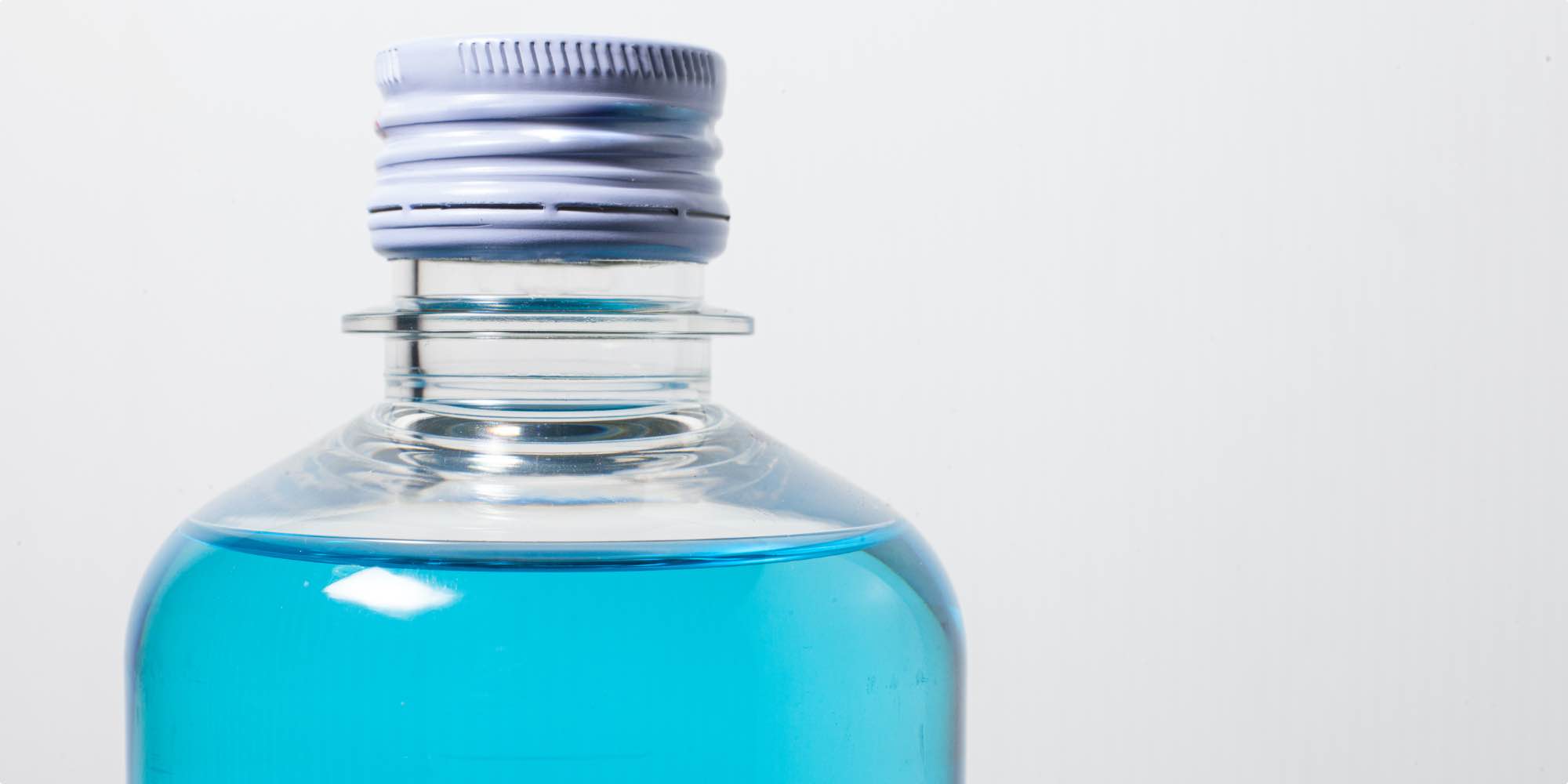
Bottle of isopropyl alcohol symbolizing antiseptic properties and rubbing alcohol.

Isopropyl alcohol is commonly diluted with water and used as rubbing alcohol for its antiseptic properties. You’ll often find it in products like aftershave, hand lotions, and various cosmetics.

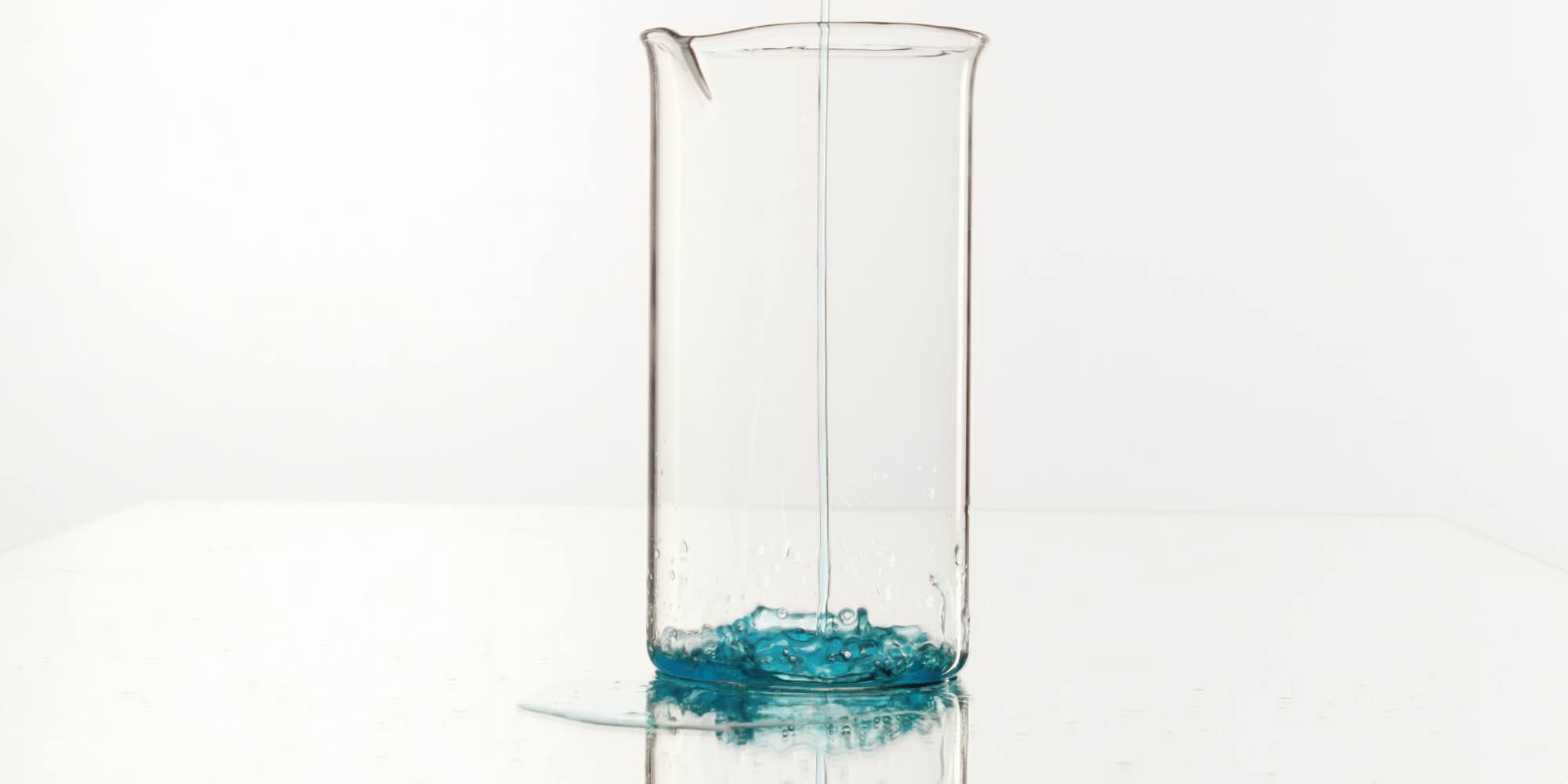
Container with blue liquid symbolizing methyl alcohol and industrial solvents

Methyl alcohol, also known as methanol, is mainly used as a solvent in producing plastics, polyesters, and various industrial chemicals.

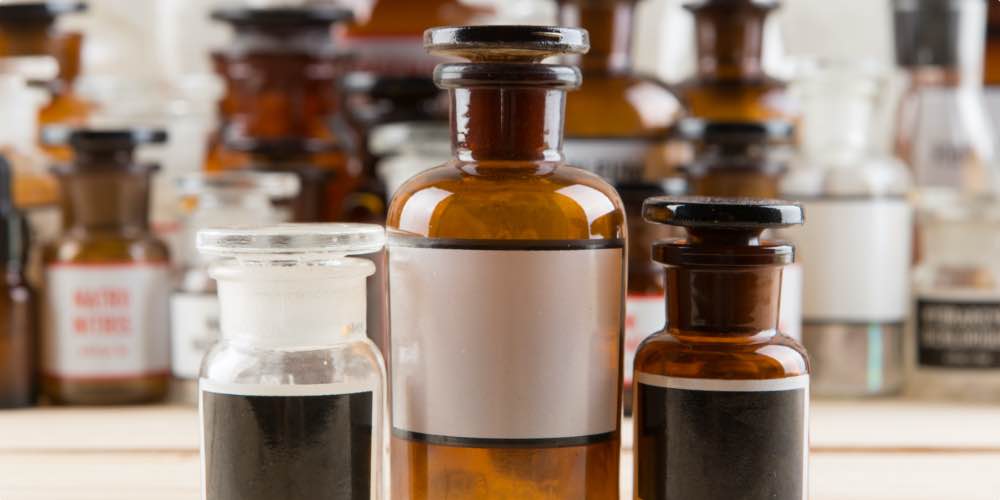
Various bottles of alcohol symbolizing ethyl alcohol and alcoholic beverages

Ethyl alcohol, or ethanol, like isopropyl and methyl alcohol, is a clear, colorless liquid. Unlike the others, though, ethanol is the main type used in alcoholic drinks such as beer, wine, and spirits.

Popular Alcoholic Beverages

and their typical serving size and alcohol content

12-ounce beer glass with alcohol content of 5 percent

Beer

A standard 12-ounce serving of beer usually contains about 5% alcohol.

5-ounce glass of wine with approximately 7% alcohol content

Wine

A standard 5-ounce glass of wine usually has around 7% alcohol.

Icon of distilled spirits, 1.5-ounce serving, 40% alcohol content

Distilled Spirits

(gin, rum, vodka, etc)
A standard 1.5-ounce serving of distilled spirits typically contains about 40% alcohol.

8-ounce serving of malt liquor with approximately 7% alcohol

Malt Liquor

(lager, ale, etc)
An 8-ounce serving of malt liquor usually contains about 7% alcohol.

Questions icon related to Klonopin detection and addiction treatment.

How Long Does Alcohol Stay in Your System?

The answer to “how long does alcohol stay in your system” depends on several factors, including how much you drink, your metabolism, and overall health. On average, alcohol can be detected in the blood for about 12 hours and in urine for up to 48 hours. However, heavy or frequent drinking can significantly extend these detection times.

Are you worried you may have a drinking problem? We can help.

Alcohol addiction can look different for everyone, and many people may not realize there’s a problem—whether it’s in themselves or someone they care about. It’s important to understand that occasional binge drinking or even developing a physical dependence on alcohol doesn’t always mean a person meets the official criteria for alcohol addiction. However, with drinking often seen as a normal part of social and work life, alcohol abuse in the workplace and other settings is becoming more common.

Alcohol bottle and glass icon illustrating alcohol abuse and alcoholism.

Medical Definition of
Alcohol Abuse

According to the CDC, alcohol abuse refers to drinking in a way that increases the risk of harmful consequences. In many cases, this pattern of drinking can progress into alcoholism and is often considered a mild form of Alcohol Use Disorder. People showing signs of alcohol abuse should be carefully monitored, as it can sometimes lead to more severe alcohol addiction if left unaddressed.

Alcohol bottles and figures illustrating binge drinking and alcohol abuse.

Medical Definition of
Binge Drinking

The CDC defines binge drinking as drinking enough to raise a person’s blood alcohol concentration (BAC) to 0.08 g/dl or higher.

While binge drinking is considered a form of alcohol abuse, most people who binge drink are not necessarily alcoholics. Still, it remains the most common—and deadliest—pattern of excessive alcohol use in the United States.

Conquer alcohol addiction at Arizona IOP

Questions icon related to Klonopin detection and addiction treatment.

Why is Alcohol Addictive?

Alcohol can become addictive for many reasons, and the experience often differs from person to person. For many people, drinking triggers the release of “feel-good” chemicals like dopamine, creating a sense of pleasure and relaxation. Over time, repeated drinking can change the brain’s reward system, making it harder to feel the same effects without alcohol and increasing the risk of alcohol abuse or dependence.

Factors in Alcoholism

DNA double helix icon representing genetic factors influencing Valium metabolism and elimination.

Genetic
Factors

Research suggests that genetics accounts for roughly half of a person’s risk of developing Alcohol Use Disorder (AUD). While there isn’t a single “alcoholic gene,” certain genetic traits can influence how the body responds to alcohol, sometimes increasing the likelihood of alcohol abuse. On the other hand, some genetic factors may actually make someone less prone to developing problematic drinking behaviors.

Sprout growing from hand illustrating environmental factors and adverse childhood experiences related to alcohol abuse.

Environmental
Factors

Environmental factors also play a major role in shaping a person’s relationship with alcohol. Traumatic experiences, adverse life events, and early exposure to drinking can all increase the risk of developing problems later in life. One tool often used to measure this risk is the Adverse Childhood Experiences (ACEs) assessment, which evaluates childhood events that may contribute to alcohol abuse as an adult.

Brain icon representing psychological factors and mental health challenges related to alcohol abuse.

Psychological
Factors

Mental health challenges are a major risk factor for developing alcohol addiction. Conditions like depression, bipolar disorder, and anxiety often lead some people to turn to alcohol as a form of self-medication. When alcohol abuse and mental health disorders occur together, it’s known as a dual diagnosis—and treating both issues at the same time requires specialized care and treatment programs.

Questions icon related to Klonopin detection and addiction treatment.

Who Is Most Likely to Abuse Alcohol?

Although alcohol addiction can impact anyone, research shows certain factors can increase a person’s risk. Genetics, brain chemistry, and environmental influences all play a major role in the likelihood of alcohol abuse. Statistics also show that men and individuals of Native American descent have higher rates of alcohol addiction compared to other groups.

Mental Health & Alcoholism

Because so many of our clients face a dual diagnosis, we’ve created a specialized program designed to give them the personalized care they need. Our team includes clinicians with expertise in both mental health and addiction treatment, and we offer whole-person therapies to support every aspect of recovery. We’re dedicated to helping each client build a healthier, more balanced life.

Alcoholism by Race

Alcohol abuse can impact people of any age, gender, profession, or background. However, research shows that some groups are affected more than others. For example, a recent study found that 6.4% of Native Americans struggle with alcohol abuse, compared to just 2.4% of Asian Americans diagnosed with alcoholism.

Alcoholism by Gender

Looking at the same data by gender, men were more likely to be diagnosed with alcoholism, with a rate of 5.4%. Still, sociodemographic factors alone can’t fully explain a person’s likelihood of alcohol abuse. For instance, many Asian Americans metabolize alcohol differently, often experiencing unpleasant physical reactions. This may help explain why they have the lowest rates of alcoholism among all groups.

Reclaim your life from alcohol addiction.

Questions icon related to Klonopin detection and addiction treatment.

How Is Alcohol Abuse Diagnosed?

Alcohol addiction can look very different from person to person, and it’s not always easy to recognize—whether in yourself or someone you care about. Because drinking is so normalized in society, it’s not unusual to see alcohol abuse in the workplace or to encounter high-functioning individuals who manage to balance work and personal life despite struggling with alcohol. It’s also worth noting that occasional binge drinking or even physical dependence on alcohol doesn’t always meet the official criteria for an alcohol addiction diagnosis.

3 Steps to Diagnosing Alcoholism

Medical professionals diagnosing alcohol dependence and assessing alcohol use disorder.

If you suspect that you or someone you love may be struggling with alcohol abuse, it’s important to seek professional guidance to understand the severity of the situation. You can start by talking to your primary care doctor, a mental health professional, or—most commonly—an addiction treatment specialist who can help assess the problem and recommend the right next steps.

Man completing a self-evaluation for alcohol use disorder assessment.

When you meet with a medical professional, they’ll typically use an approved diagnostic method to determine whether alcohol abuse or addiction is present. The American Psychiatric Association has created diagnostic manuals to help clinicians assess the severity of Alcohol Use Disorder (AUD), ranging from mild to severe.

Some common criteria include:

  1. Needing to drink more alcohol to feel the same effects
  2. Spending a significant amount of time drinking or recovering from drinking
  3. Experiencing withdrawal symptoms when alcohol use stops
  4. Continuing to drink despite alcohol-related health, work, or relationship problems
Doctor writing notes about medical examination for alcohol abuse diagnosis and assessment.

Although diagnostic methods can differ, many doctors use both psychological and physical evaluations to better understand a person’s symptoms. These assessments also help identify whether any co-occurring mental health conditions may be contributing to alcohol abuse or addiction.

Before someone begins treatment at Arizona IOP, our team walks them through all three stages of the diagnostic process. This allows us to determine whether they need medical detox first, can start residential treatment right away, or have mental health needs that require additional support during admission.

Schedule an assessment with our addiction specialists today.

Alcohol-related deaths statistics: 88,000 deaths per year in the U.S.

thousand people die

from alcohol-related deaths in the U.S each year.

10% of children living with a parent abusing alcohol in the U.S.

of children

live with a parent who struggles with alcohol abuse in the U.S.

20% of college students qualifying for Alcohol Use Disorder diagnosis

of college students

qualify for a diagnosis of Alcohol Use Disorder (AUD)

Don't become a statistic.

Finding A Rehab Near Me

After a positive diagnosis for AUD, it’s important to begin a treatment plan designed to support long-term recovery and lasting sobriety. Choosing the right treatment center can feel overwhelming, but there are a few key clinical services to look for when making your decision:

Individualized care for alcohol addiction treatment and recovery.

Individualized
Care

Evidence-based treatment methods and individualized care for alcohol addiction recovery.

Evidence-Based
Therapies

Medication-assisted treatment for alcohol addiction and recovery at Arizona IOP

Medication-Assisted
Treatment

Alumni support icon illustrating ongoing recovery and support at Arizona IOP.

Alumni
Support

Treatment can vary for each person, depending on the level of care they need and are ready to commit to. In most cases, alcohol abuse requires medical detox before addressing the root causes of addiction. Detoxing without proper medical supervision can be dangerous—and in some cases, even life-threatening—which is why professional evaluation and support are so important.

At Arizona IOP, our addiction specialists are here to help you or your loved one understand the right level of care and guide you toward the most effective treatment options.

Heal your mind and body at Arizona IOP