Signs of Marijuana Use Symptoms of Weed Addiction

Medical Providers:
Dr. Michael Vines, MD
Alex Spritzer, FNP, CARN-AP, PMHNP
Clinical Providers:
Natalie Foster, LPC-S, MS
Last Updated: October 9, 2025

Marijuana—commonly known as weed—is the most widely used substance in the United States. In fact, in 2020 alone, more than 48 million people aged 12 and older reported using it within the past month.

While marijuana is often viewed as harmless, it can affect both the brain and body in the short and long term. Over time, these effects can lead to noticeable changes and recognizable signs of marijuana use.

Our Marijuana Addiction Treatment Programs

Overcome symptoms of marijuana addiction At Arizona IOP

There are several signs that may suggest someone is using marijuana. However, it’s important to remember that these signs don’t always mean a person is addicted. Marijuana is now legal for recreational or medical use in many states, and it also goes by other common names like weed, cannabis, or pot.

Still, if you think someone you know might be using, here are some of the most common signs of marijuana use to watch for:

  • Red or bloodshot eyes
  • Dry mouth (“cottonmouth”)
  • Increased hunger or “the munchies”
  • Lack of motivation or drive
  • Impaired judgment or slower reaction time
  • Noticeable mood swings
  • Shifts in personality or behavior
  • Trouble focusing or paying attention
  • Short-term memory issues
  • Paranoia or anxiety
  • In rare cases, hallucinations

You might be wondering, “Is marijuana addictive?” The simple answer is yes—but it’s a bit more complex than that.

There’s an important difference between marijuana use and marijuana addiction. Regular use doesn’t always mean dependence. Some people can use cannabis occasionally or even frequently and still manage to control their intake. However, when someone starts losing that control and keeps using despite the negative effects, it may signal a marijuana use disorder—commonly known as weed addiction.

Here are some common signs that marijuana use may have turned into an addiction:

  • Using marijuana more often or in larger amounts than intended
  • Trying to cut back but being unable to stop
  • Spending excessive time or money on marijuana
  • Needing more marijuana to feel the same effects (tolerance)
  • Continuing to use despite problems at work, school, or home
  • Using in risky situations, such as before driving
  • Ignoring physical or emotional health issues caused by marijuana use

Noticing these signs of marijuana addiction? Get help at Arizona IOP

The effects of marijuana use can show up both mentally and physically. While trying cannabis once may not lead to lasting harm, being high can still impact your judgment—and the choices you make in those moments could have long-term consequences.

What are the Short-Term Effects of Marijuana?

The short-term effects of marijuana can differ from person to person. Factors like how much is used, individual metabolism, and even the setting can all play a role. Some of the most common short-term effects include:

  • Red or bloodshot eyes
  • Dry mouth
  • Increased appetite or “the munchies”
  • Low motivation or energy
  • Impaired judgment
  • Trouble focusing or staying alert

What are the Long-Term Effects of Marijuana?

The long-term effects of marijuana use can vary based on several factors—such as how it’s consumed, the THC content, a person’s metabolism, and their overall environment. Over time, heavy or prolonged marijuana use may contribute to:

  • Reduced brain volume or changes in brain structure
  • Ongoing memory or learning difficulties
  • A higher risk of developing schizophrenia or other mental health issues
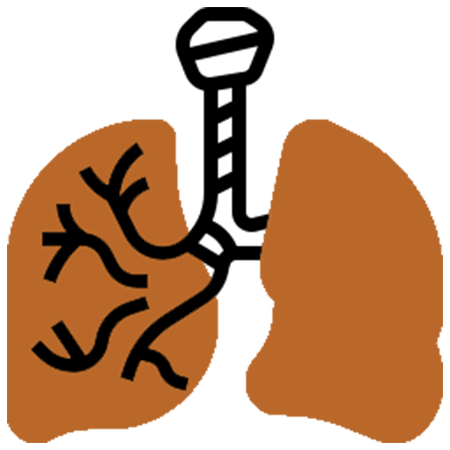
  • Breathing or respiratory problems from smoking
  • A possible increased risk of certain cancers
  • Fertility issues in both men and women

Act before it’s too late Conquer marijuana addiction today

Effects of Weed on the Brain

Marijuana can influence how the brain functions in several ways. Some of the most common effects include:

icon showing Addiction symptoms include reduced brain volume

Reduced brain volume

icon of impaired memory caused by Addiction

Impaired memory

icon showing Addiction symptoms include Impaired learning

Impaired learning

icon of Impaired executive function caused by Addiction

Impaired executive function

icon showing Addiction can cause Psychosis

Risk of psychosis

icon showing Addiction can cause schizophrenia

Risk of schizophrenia

Effects of Weed on the Body

Marijuana doesn’t just affect the mind—it can also impact the body in various ways. Some of these physical effects include:

icon showing the effects of Addiction on the body include dry mouth

Dry mouth

icon showing the effects of addiction on the body include Increased heart rate

Increased heart rate

icon showing the effects of addiction on the body can increased High blood pressure

High blood pressure

icon showing the effects of addiction on the body can potentially escalate risk of cancer.

Risk of cancer

icon showing the effects of addiction on the body can cause potential infertility

Potential infertility

icon showing the effects of addiction on the body can cause respiratory problems

Respiratory problems

While many view marijuana as harmless, it can still pose certain risks—especially with frequent or heavy use. Some of the potential dangers include:

Marijuana can affect judgment and coordination, increasing the risk of accidents. According to a study by the National Highway Traffic Safety Administration (NHTSA), drivers who had recently used marijuana were twice as likely to be involved in a fatal crash compared to those who hadn’t used the drug.

Marijuana can interfere with judgment and coordination, which may increase the likelihood of injuries. Research from the University of California, San Francisco found that college students who used marijuana were more prone to accidents—such as falls, car crashes, and sports-related injuries—compared to those who didn’t use it.

Marijuana can also affect impulse control and decision-making, which may increase the risk of aggressive behavior in some individuals. Research indicates that people who use marijuana are more likely to be arrested for violent offenses compared to those who don’t use the drug.

Marijuana can also influence mood and judgment, which may increase the risk of suicidal thoughts or behaviors in some individuals. According to research from the National Institutes of Health (NIH), people who use marijuana are more likely to attempt suicide compared to those who do not use the drug.

For individuals who are already vulnerable to mental health conditions, marijuana use can sometimes trigger episodes of psychosis—a disorder that may involve hallucinations, delusions, or a loss of touch with reality.

Long-term or heavy marijuana use has also been linked to an increased risk of developing schizophrenia, a serious mental health condition that can cause similar symptoms such as distorted thinking, false beliefs, and sensory disturbances.

Smoking marijuana can irritate the lungs and airways, which may lead to respiratory issues over time. Regular use has been linked to a higher risk of conditions like bronchitis and pneumonia.

Marijuana smoke contains carcinogens—harmful chemicals that can increase the risk of cancer. Research from the National Cancer Institute found that people who smoke marijuana are more likely to develop lung cancer compared to those who do not use it.

Marijuana use may also affect reproductive health. In men, it can lower sperm count and make it more difficult to conceive with a partner.

These are only some of the potential risks linked to marijuana use. The drug can impact both the brain and body in ways that vary from person to person. If you’re worried about how marijuana might be affecting your health, it’s best to reach out to a doctor or a qualified healthcare professional for guidance.

It’s important to remember that these are only a few of the potential risks linked to marijuana use. The drug can have other negative effects on both the brain and body, depending on how often and how much it’s used. If you’re concerned about the possible impact of marijuana on your health, consider speaking with your doctor or a mental health professional for guidance and support.

If you or someone you care about is struggling with marijuana addiction, help is available. Arizona IOP offers compassionate and effective outpatient treatment designed to support recovery while allowing you to maintain your daily responsibilities.

Our program combines individual and group therapy, along with holistic approaches like mindfulness, meditation, and yoga, to promote healing of both mind and body. We also provide family support programs to help loved ones better understand addiction and recovery.

If you’re ready to take the next step toward overcoming marijuana addiction, reach out to Arizona IOP today. Our team is here to guide you every step of the way and help you build a healthier, more balanced life.