Choosing Luxury Outpatient Mental Health Treatment

Medical Providers:
Dr. Michael Vines, MD
Alex Spritzer, FNP, CARN-AP, PMHNP
Clinical Providers:
Natalie Foster, LPC-S, MS
Last Updated: September 9, 2026

For someone managing anxiety, depression, or trauma, stepping away from work and family for several weeks may feel impossible. That does not mean treatment has to wait.

Luxury outpatient mental health treatment gives people a way to receive structured support while continuing to live at home. According to SAMHSA’s 2024 National Survey on Drug Use and Health, about 61.5 million U.S. adults experienced a mental illness in the previous year, yet just over half received mental health treatment.

That gap matters. In Scottsdale and other parts of Arizona, many people still have jobs to show up for, children to pick up, businesses to run, or family members who rely on them. Outpatient care can make treatment easier to fit into real life without reducing it to a once-a-week appointment.

Our Treatment Centers

More support, less disruption. Find care that works around life.

What is Outpatient Mental Health Treatment?

Outpatient mental health treatment is care that happens at a treatment facility without requiring the person to live there.

The schedule depends on the level of support needed. Someone may attend therapy once or twice a week, while another person may benefit from intensive outpatient programs, or IOPs, several days each week. Sessions can include individual treatment, group work, family therapy, psychiatric support, and skills practice.

A key difference is what happens after the session ends. You go home.

That changes the treatment experience. A client can learn a coping strategy in the afternoon and try it that evening during a stressful conversation or busy workday. The next session becomes a chance to talk about what actually happened, not just what might happen.

What Are the Benefits of Outpatient Treatment?

One of the main benefits of outpatient treatment is that people can stay connected to daily life while receiving treatment.

For a working professional, that may mean attending morning programming and returning to the office later. For a parent, it may mean keeping evenings open for family. Others appreciate being able to sleep in their own bed and remain close to familiar support.

Outpatient care also lets people practice skills in real time. Instead of waiting until the end of a residential stay to face everyday stress again, clients work through those situations as treatment is happening.

Family involvement may be easier too. When appropriate, family members can join therapy, learn how to support progress, and better understand what helps or hurts at home.

Insurance coverage may apply to some outpatient services, depending on the plan, diagnosis, network, and medical necessity. It is worth verifying benefits before starting so there are fewer surprises later.

Your routine can stay intact. Treatment can still come first.

Luxury Mental Health IOP

A luxury mental health IOP should offer more than an attractive office.

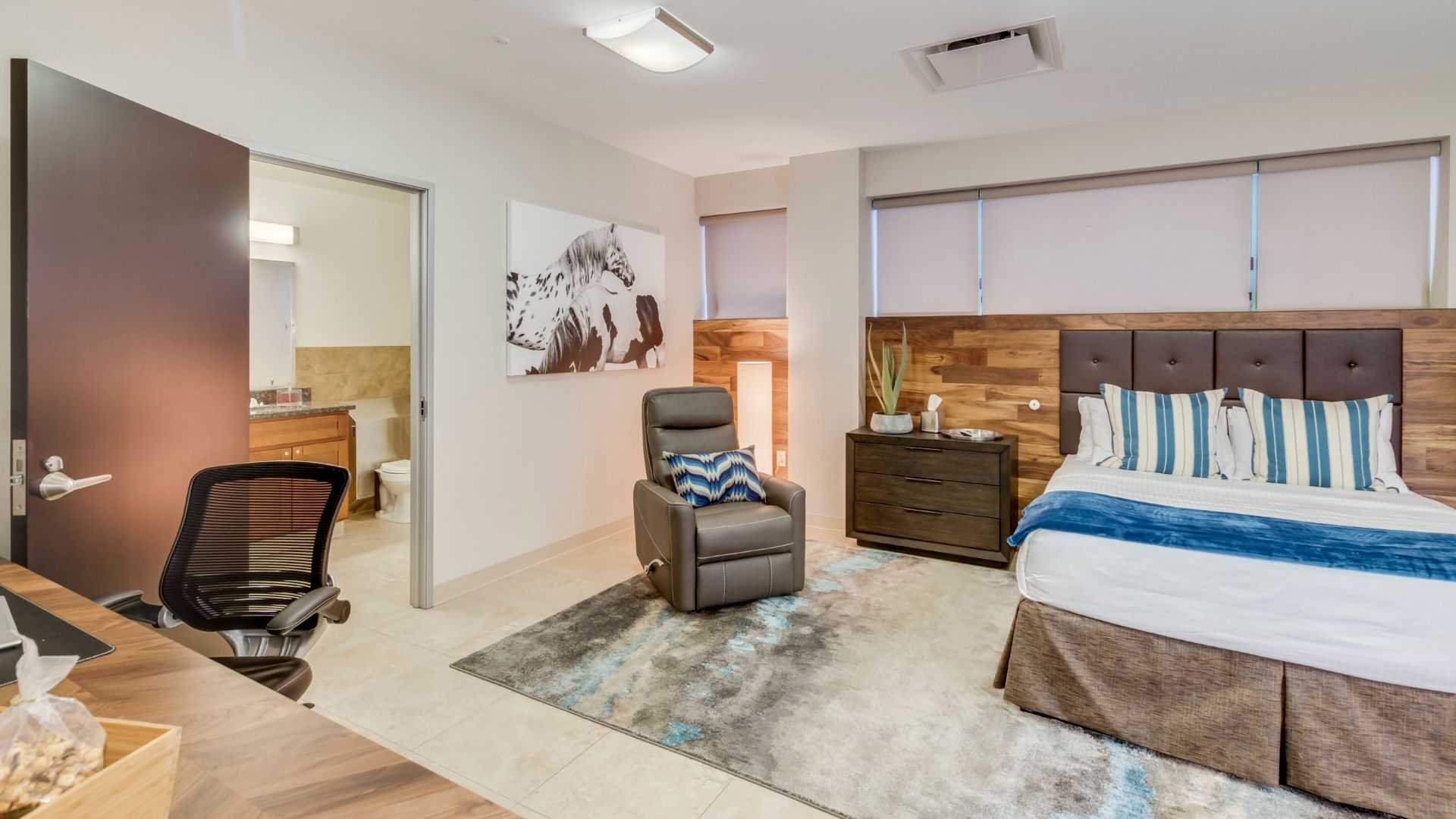
The real difference is often found in the experience of care: smaller groups, more individualized attention, flexible scheduling, privacy, thoughtful surroundings, and closer coordination between providers. For someone with a demanding career, those details can make treatment easier to stay engaged with.

Programs may use approaches such as cognitive behavioral therapy CBT, medication management, family therapy, and other evidence-based methods. The treatment plan should still be built around the person, not around a preset package.

Some luxury rehab centers advertise private rooms or resort-style amenities. Those features make more sense in residential settings. In luxury outpatient mental health treatment, comfort matters most when it helps someone focus, feel safe, and participate fully in care.

What to Expect From Luxury Outpatient Treatment?

The first step is usually an assessment.

A clinician will want to understand symptoms, treatment history, medications, daily responsibilities, support at home, and any immediate safety concerns. From there, the team can recommend a treatment option and build a schedule that matches the level of care needed.

A week may include individual treatment, group sessions, family therapy, medication appointments, or skills-based work. Not every person needs every service.

Good programs also check whether the plan is actually helping. If sleep is still poor, anxiety is getting worse, or a client is struggling with the schedule, the team should adjust rather than simply repeat the same plan.

Before enrolling, ask who will provide care, how large the groups are, what happens if symptoms worsen, and how often progress is reviewed. Those answers tell you more than a list of amenities.

Private care. Real flexibility. Make space for your mental health.

Luxury Outpatient vs Residential Treatment

When comparing luxury outpatient vs residential treatment, the biggest question is not which one sounds better. It is which level of care fits the person’s current needs.

Residential treatment provides 24-hour structure and requires the client to live on-site. It may be appropriate when symptoms are severe, the home environment is unstable, or someone needs closer supervision.

Luxury outpatient mental health treatment is different. Clients live at home and travel to scheduled care. That can work well for people who are stable enough to remain in the community but still need more structure than standard weekly therapy.

Neither option is automatically right for everyone. A responsible provider should look at safety, functioning, support, symptoms, and treatment history before making a recommendation.

Luxury Treatment With Arizona IOP

For people in Scottsdale and nearby Arizona communities, Arizona IOP offers outpatient treatment designed to fit around real responsibilities while still providing meaningful structure.

That balance matters. Mental health care should not feel disconnected from the life a person is trying to improve.

Luxury outpatient mental health treatment at Arizona IOP can give clients space to work on coping strategies, emotional regulation, relationships, and long-term recovery without moving into a residential facility. The goal is not to make treatment feel extravagant. It is to make it personal, practical, and easier to stay committed to over time.

Care that fits your schedule. Keep moving forward with support.