Alcohol Withdrawal: Symptoms, Detox, and What to Expect

Medical Providers:
Dr. Michael Vines, MD
Alex Spritzer, FNP, CARN-AP, PMHNP
Clinical Providers:
Natalie Foster, LPC-S, MS
Last Updated: September 15, 2025

About half of the people struggling with alcohol abuse experience withdrawal symptoms when they stop drinking. Decades ago, the lack of proper medical care made alcohol withdrawal extremely dangerous—nearly 40% of people didn’t survive the process. Thankfully, with today’s medical support and safer detox options, the risk of death has dropped to less than 7%.

Our Alcohol Treatment Programs

Medical detox and proper withdrawal management play a key role in safely overcoming alcohol withdrawal. If you need help finding the right approach, the addiction specialists at Arizona IOP are here to guide you every step of the way.

Alcohol withdrawal and detox can be dangerous without proper medical care. It’s important to know what to expect during the process and to seek help as soon as you decide to stop drinking. For personalized guidance and support, contact the addiction specialists at Arizona IOP today.

Questions icon related to Klonopin detection and addiction treatment.

What is Alcohol Withdrawal?

Alcohol withdrawal refers to a range of symptoms that can appear when someone who drinks heavily suddenly stops. These symptoms are often diagnosed as Alcohol Withdrawal Syndrome (AWS). They can vary from mild to severe and usually develop over the course of about eight days.

Two Phases of Withdrawal

Alcohol withdrawal symptoms can look very different from one person to the next. However, they’re generally divided into two main phases: Acute Alcohol Withdrawal and Post-Acute Withdrawal Syndrome (PAWS).

Questions icon related to Klonopin detection and addiction treatment.

What is Acute Alcohol Withdrawal?

Acute Alcohol Withdrawal refers to the initial phase that begins soon after someone stops drinking. This stage is mostly a physical reaction to the sudden absence of alcohol and, in severe cases, can become life-threatening without proper care.

Questions icon related to Klonopin detection and addiction treatment.

What is Post-Acute Withdrawal Syndrome?

Post-Acute Withdrawal Syndrome (PAWS) is the second phase of alcohol withdrawal and can appear weeks or even months after someone stops drinking. This stage often brings psychological and emotional challenges, such as fatigue, lingering aches, and depression. Although PAWS usually fades with time, symptoms can sometimes recur even after they’ve subsided.

PAWS is a common cause of relapse.

As the brain and body adjust to life without alcohol, many people experience what’s known as “emotional withdrawal.” This stage is sometimes misunderstood or overlooked, but with the right support and guidance from your doctor, the symptoms can be managed effectively.

Physical Symptoms of Alcohol Withdrawal

During Acute Alcohol Withdrawal, people can experience a wide range of physical symptoms, from mild discomfort to severe complications. As symptoms progress, medical support often becomes essential. Without proper care, severe withdrawal can sometimes be life-threatening.

Patient discussing alcohol withdrawal symptoms with a doctor in a clinical setting, emphasizing the importance of medical support during detoxification.

  • Anxiety
  • Depression
  • Irritability
  • Trouble sleeping (insomnia)
  • Headaches
  • Loss of appetite
  • Tremors or shakiness
Patient receiving medical checkup for alcohol withdrawal symptoms and IV fluids

  • Elevated body temperature
  • Excessive sweating
  • Rapid heartbeat
  • High blood pressure
  • Nausea or stomach discomfort
Patient experiencing severe alcohol withdrawal symptoms in hospital bed

  • Hallucinations
  • High fever
  • Severe confusion
  • Seizures
  • Delirium Tremens (DT)

The timeline for alcohol withdrawal symptoms can differ greatly depending on factors like age, drinking habits, and how long someone has struggled with alcohol abuse. For most people, symptoms begin within about eight hours after their last drink and usually improve within a week. The most intense withdrawal effects often peak around the third or fourth day.

Stages of Alcohol Withdrawal Syndrome

Man experiencing distress and struggling with alcohol withdrawal symptoms, first stage of Delirium Tremens.

The first stage of alcohol withdrawal usually brings mild symptoms and often starts within 8 to 24 hours after the last drink.

Person struggling with distress and anxiety during second stage of alcohol withdrawal.

The second stage of alcohol withdrawal often involves moderate symptoms and usually appears within 48 to 72 hours after the last drink.

Patient experiencing severe alcohol withdrawal symptoms in hospital bed

The third stage of alcohol withdrawal is the most severe and often begins around the third or fourth day. When it occurs, symptoms can last up to five days after delirium sets in. However, not everyone with Alcohol Withdrawal Syndrome will reach this stage.

Stage 3 is by far the most severe stage and is typically characterized by the onset of Delirium Tremens (DT).

Questions icon related to Klonopin detection and addiction treatment.

What is Delirium Tremens (DT)?

Delirium Tremens (DT) is a serious neurological condition that affects about 5% of people with Alcohol Withdrawal Syndrome (AWS). It impacts the central nervous system and can cause severe disruptions in both mental and physical functioning. Men over 40 who have been drinking heavily for a decade or more face the highest risk of developing DT.

Common symptoms associated with DT include:

Icon of a human head silhouette with a question mark, representing confusion and cognitive challenges related to Adderall withdrawal symptoms.

Severe
Confusion

Brain illustration depicting tremors and neurological symptoms of Delirium Tremens.

Body
Tremors

Head outline with cloud representing visual hallucinations and delirium tremens symptoms.

Visual
Hallucinations

Mood changes and confusion illustrating symptoms of Delirium Tremens during alcohol withdrawal.

Mood
Changes

Brain illustration depicting neurological symptoms and delirium tremens.

Alcoholic
Seizures

1 in 25 people die from Delirium Tremens each year in the U.S.

Detoxing from alcohol is a serious process and should never be taken lightly. It’s the first crucial step toward recovery and should always be done under professional medical supervision. Across Arizona and throughout the United States, numerous centers are available to help you stop drinking safely. To learn which locations accept your insurance and to find the right detox center for your needs, reach out to Arizona IOP today.

Questions icon related to Klonopin detection and addiction treatment.

Can I detox from alcohol at home?

While detoxing at home on your own can be risky, outpatient rehab offers a safe and flexible way to begin recovery. With professional support just a call away, you can get the care you need while staying in the comfort of your own home. Many programs even offer same-day placement so you can start your journey to sobriety as soon as you’re ready.

Navigating Alcohol Withdrawal

Today, most people start treatment for alcohol abuse with outpatient detox programs rather than inpatient care. Research shows that fewer than 20% of alcohol withdrawal cases actually need hospitalization, while more than 70% of people who choose outpatient detox complete it. These programs provide safe, professional support to help you manage withdrawal symptoms and take the first important step toward overcoming alcohol abuse.

Questions icon related to Klonopin detection and addiction treatment.

What is Alcohol Detox?

According to SAMHSA, detoxification is the process of clearing harmful substances from the body while safely managing withdrawal symptoms. The goal is to reduce the physical risks linked to substance abuse and help people begin recovery in a safe, supportive way.

Finding the Right Detox Center

At Arizona IOP, we partner with trusted local providers offering high-quality alcohol detox programs designed to help you or your loved one safely manage withdrawal and take the first step toward lasting recovery.


Take the First Step to Conquering Alcoholism

No matter where it takes place, alcohol detox usually follows three key stages designed to support lasting recovery. Research shows that about one in five people discharged from detox go on to further substance use treatment programs. While that number varies by program and location, continuing care after detox is strongly linked to better long-term outcomes.

Patient and doctor discussing alcohol detox evaluation and personalized treatment plan.

When someone begins outpatient alcohol detox, care should be tailored to their unique needs. Medical professionals take time to understand each person’s background—including factors like mental health, family history, gender, and any past relapses. These details help create a safer, more effective detox plan while anticipating potential symptoms along the way.

Clients discussing alcohol detox stabilization and personalized treatment plans at Arizona IOP.

Once the initial evaluation is complete, medical professionals develop a personalized detox plan to help manage both physical and emotional symptoms, while keeping vital signs stable throughout the process.

Woman preparing for next steps in alcohol detox treatment at Arizona IOP.

As clients near the end of detox, they start preparing for the next stage of their recovery. What this looks like can vary for each person, depending on their individual needs and goals.

FDA-Approved Alcohol Withdrawal Medications

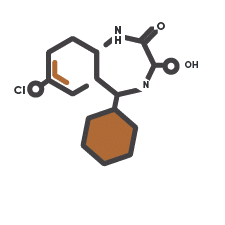
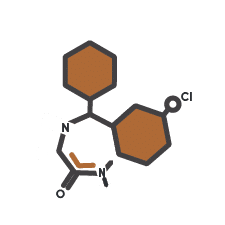
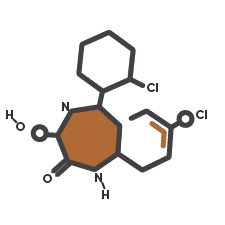
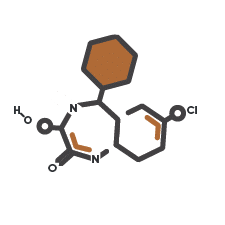
Several medications can help ease symptoms and reduce health risks linked to Alcohol Withdrawal Syndrome (AWS). The FDA has approved the use of benzodiazepines to safely manage these symptoms in clients.

Most Common Alcohol Withdrawal Medications

Chlordiazepoxide medication molecule diagram for alcohol withdrawal treatment.

Chlordiazepoxide

Diazepam molecule diagram, alcohol withdrawal medication and FDA-approved treatment.

Diazepam

Lorazepam molecule structure, alcohol withdrawal medication.

Lorazepam

Oxazepam chemical structure, an FDA-approved alcohol withdrawal medication.

Oxazepam

Research shows that using benzodiazepines to manage alcohol withdrawal is much safer than attempting to detox with alcohol itself. When administered correctly, these medications can lower the risk of seizures, Delirium Tremens (DT), and other withdrawal symptoms. While other medications are being studied for AWS, they have not yet received FDA approval.

After completing detox, clients can continue addressing their symptoms through a combination of FDA-approved medications and therapy—an approach known as Medication-Assisted Treatment (MAT). This can be done in either outpatient or inpatient settings, depending on individual needs.

Read more about FDA-approved treatment options for Alcohol Use Disorder (AUD) here.

Begin your recovery journey today.

Seek Professional Help

Finding the right outpatient alcohol detox program can feel overwhelming, and many people aren’t sure what to look for. Professional guidance can make this process much easier and help ensure you get the care you need.

When choosing an outpatient detox program, it’s important to consider:

At Arizona IOP, we specialize in addiction treatment and meet all the standards of care outlined above. Our team can help you find the outpatient detox program or treatment solution that best fits your needs. We also provide ongoing support for clients transitioning from detox to outpatient care and offer comprehensive aftercare to promote long-term sobriety.

Get help to stop drinking.

Achieving Long-Term Recovery

While alcohol detox is a crucial first step, it’s only the beginning of recovery. Addiction is often linked to underlying issues, such as trauma or mental health challenges, so continuing care after detox is strongly recommended.

For the best chance at lasting recovery, clients are encouraged to enroll in an outpatient rehab program that provides ongoing support, therapy, and personalized treatment tailored to their needs.

Ongoing Treatment Options

In an outpatient program, clients participate in behavioral therapy sessions to understand the mechanics of addiction and learn strategies to manage cravings and prevent relapse.

After completing detox or initial treatment, individuals are encouraged to continue their recovery through programs such as intensive outpatient programs (IOP) or other structured aftercare options.

Addiction is a lifelong condition, and ongoing care is essential—without it, the risk of relapse remains high.

Leaders in the Industry

At Arizona IOP, our master’s-level clinicians and addiction specialists focus on trauma-informed, individualized care. We can help you find an outpatient detox program to safely manage alcohol withdrawal and provide the tools you need to begin and maintain your journey toward long-term sobriety.

Our outpatient programs in Scottsdale, Arizona prioritize addressing addiction at its source and offering holistic, sustainable solutions. We also work with most insurance providers to help make treatment accessible and affordable.