Xanax Treatment Overview of Available Xanax Treatment Options

Medical Providers:
Dr. Michael Vines, MD
Alex Spritzer, FNP, CARN-AP, PMHNP
Clinical Providers:
Natalie Foster, LPC-S, MS
Last Updated: August 30, 2023

Overcoming addiction is a deeply personal journey that often involves exploring a range of treatment options. One such option is Xanax treatment, which may play a role in managing certain aspects of the recovery process. If you or someone you care about is facing addiction, gaining insight into how Xanax treatment works can be an important step forward.

In this article, we’ll delve into what Xanax treatment entails, explore its potential benefits, and highlight key considerations to keep in mind before including it in a recovery plan.

Addiction affects people from all walks of life and presents unique challenges along the way. Thankfully, ongoing medical and psychological advancements have paved the way for a variety of treatment approaches aimed at helping individuals reclaim their lives from addiction.

Our Xanax Addiction Treatment Centers

Empower your recovery journey. Xanax treatment could be the turning point you need.

What is Xanax Rehab?

Xanax rehab is a specialized program designed to support individuals struggling with dependence on Xanax, a medication commonly prescribed for anxiety. When someone becomes reliant on Xanax and finds it difficult to stop using it, professional help may be necessary to begin the path to recovery.

Rehabilitation programs for Xanax addiction provide a safe, supportive environment where individuals can receive the care and guidance they need to overcome their dependence.

Throughout the rehab process, trained professionals work closely with each person to understand their specific needs and create a personalized treatment plan. This plan often includes therapy, counseling, and other evidence-based techniques that address both the physical and emotional aspects of addiction.

How Long is Xanax Rehab?

The length of Xanax rehab depends on each individual’s unique needs and progress. Typically, rehab programs can range from a few weeks to several months. The primary objective is to allow enough time for safe detoxification, address the root causes of addiction, and build healthy coping strategies for long-term recovery.

The duration of treatment is tailored to how a person responds to therapy and their overall recovery journey. It’s important not to rush the process—effective healing takes time, and every person’s path to recovery is different. Getting the right support at the right pace is key to lasting success.

Break free from addiction and reclaim your life. Find strength through Xanax treatment.

There are several effective treatment options available for individuals struggling with Xanax addiction. These approaches are tailored to help people safely overcome dependence and build a foundation for lasting recovery. Let’s explore some of the most common and supportive treatment methods available:

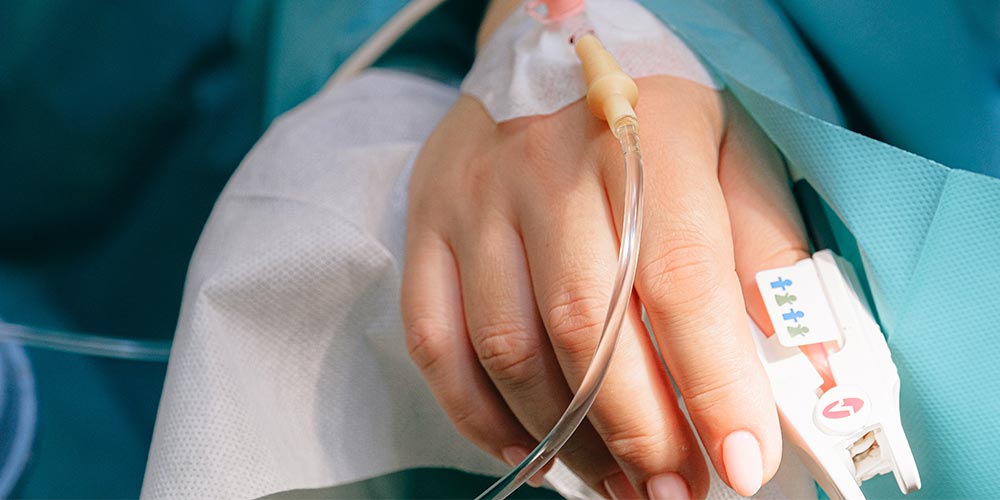
Patient With Iv Line For Detoxification

Detox is the initial phase of treatment, during which the individual stops using Xanax under careful medical supervision. This process allows the body to eliminate the drug, which can lead to withdrawal symptoms. Medical professionals closely monitor and manage these symptoms to ensure a safe and as comfortable as possible detox experience.

Photo Showing Behavioral Therapy Can Treat Addiction

This form of treatment helps individuals gain a deeper understanding of their addiction while learning to replace harmful patterns with healthier behaviors. It also equips them with coping strategies to handle stress, anxiety, and triggers without turning to Xanax.

Photo Showing Counseling Can Help Treat Addiction

In one-on-one counseling, individuals work with a trained professional to discuss their addiction and any underlying emotional or psychological issues. This supportive environment offers guidance, encouragement, and strategies to help navigate challenges and sustain long-term sobriety.

Photo Of Support Group Which Helps In Recovery Journey

Participating in support groups, such as Narcotics Anonymous, can be a valuable part of the recovery process. These groups offer a sense of community, connection, and mutual understanding, giving individuals the opportunity to share their experiences and encourage one another along the journey to recovery.

Photo Of Doctor Giving Medication To Patient

In certain cases, healthcare providers may recommend medication-assisted treatment to help manage withdrawal symptoms and reduce cravings associated with Xanax dependence. These medications are carefully prescribed and closely monitored to support a safe and effective recovery process.

Photo Depicting Aftercare Programs To Help Prevent Relapse

Following initial treatment, aftercare programs provide continued support and follow-up care to help individuals maintain their sobriety and reduce the risk of relapse. These programs play a vital role in reinforcing healthy habits and ensuring long-term recovery success.

The choice of treatment depends on each individual’s unique needs and the severity of their addiction. In many cases, combining multiple approaches—such as therapy, medication, and support groups—can lead to the most effective outcomes in overcoming Xanax dependence.

How Much Does Xanax Rehab Cost?

The cost of Xanax rehab can vary based on several factors, including the type of treatment program, the duration of the stay, and the facility’s location. In general, inpatient rehab programs are more expensive than outpatient options, and facilities in urban areas often charge more than those in rural settings.

On average, a 30-day inpatient rehab program for Xanax addiction costs around $6,000, though some programs may exceed $20,000, particularly those offering high-end amenities. Outpatient programs are typically more affordable, averaging around $5,000 for a three-month course of treatment.

Key Factors Affecting Rehab Costs:

  • Type of Program: Inpatient treatment tends to be more costly than outpatient care.

  • Length of Stay: Longer programs generally result in higher costs.

  • Facility Location: Rehab centers in major cities often charge more than those in less populated areas.

  • Level of Care: Programs that include services like medical detox or intensive therapy are usually more expensive than those offering standard care.

Break free from addiction. Discover new possibilities with Xanax treatment.

Inpatient Xanax Rehab

Inpatient Xanax rehab provides a dedicated, structured environment for individuals seeking to overcome their dependence on Xanax. This type of program offers round-the-clock care, emotional support, and a safe space for healing. Let’s take a closer look at some of the key ways inpatient rehab supports the recovery journey: