Tramadol Addiction: Awareness of Tramadol Abuse

In 2022, Virginia reported around 22,398 emergency department visits linked to drug overdoses, with tramadol contributing significantly to the total. Fentanyl and its analogs were also involved in nearly 79% of the state’s overdose fatalities.

Initially regarded as a safer pain management option due to its supposedly lower abuse potential, tramadol has since demonstrated a clear risk of dependence and addiction when used improperly or beyond prescribed limits.

Our Tramadol Addiction Treatment Centers

Your well-being is important. Take action against opioid misuse before it’s too late!

What is Tramadol?

Tramadol is a prescribed pain reliever for moderate to severe discomfort. It alters how the brain senses pain to offer relief, but misuse can lead to addiction. Always take it exactly as directed by your healthcare provider.

What is a Tramadol Used for?

Tramadol is prescribed to manage moderate to severe pain, including discomfort from surgery or long-term conditions like arthritis. It works by changing the way the brain processes pain signals, offering relief when other medications aren’t effective enough.

How Does Tramadol Work?

Tramadol relieves pain by attaching to opioid receptors in the brain, decreasing how pain is perceived. It also boosts serotonin and norepinephrine levels, which help regulate pain signals throughout the nervous system. These combined actions make it effective for treating moderate to moderately severe pain.

Begin your journey to recovery today. Reach out to us for professional opioid addiction support!

Is Tramadol Addictive?

Yes, tramadol has the potential to be addictive. It interacts with the brain’s opioid receptors, which can cause physical dependence and withdrawal symptoms when misused or taken for extended periods. To reduce these risks, doctors closely supervise its use and offer guidance on safe dosing and gradual discontinuation when needed.

Signs of Tramadol Addiction

Medication addiction can have serious consequences, affecting your physical health, emotional stability, and overall quality of life. Identifying the warning signs early is key to getting the right help and beginning the path to recovery.

Icon Showing Cravings And Dependence To Drugs

Cravings

An intense, ongoing urge to take the medication even when there’s no medical need for pain relief. This craving can become overpowering, disrupting focus, responsibilities, and daily routines.

icon depicting drug tolerance can result to overdose

Increased Tolerance

Requiring increasingly larger doses to experience the same level of pain relief as before, which can result in exceeding the prescribed amount.

Icon Depicting Drug Withdrawal Effect Like Seizures

Withdrawal Symptoms

Feeling withdrawal symptoms such as anxiety, sweating, nausea, or trembling when the medication is not taken. These effects often appear when attempting to cut back or stop use entirely.

Neglecting Responsibilities

Neglecting responsibilities at work, school, or home in order to use or seek out the medication, often resulting in strained relationships and difficulties in personal or professional life.

drugs

Continued Use Despite Harm

Continuing to take the medication despite experiencing physical, mental, or social harm. This includes ongoing use even when aware of its damaging effects.

Misusing tramadol can result in severe health complications. Taking it in large doses or for reasons other than prescribed may lead to the following risks:

Woman with a painkiller—know how long does phentermine stay in your system.

Tramadol misuse can cause both physical and psychological dependence, making it challenging to quit even when it’s causing harm. Stopping suddenly may trigger withdrawal symptoms like anxiety, insomnia, nausea, and restlessness.

a woman in blue sleepwear holding a liquor

Taking high doses of tramadol can dangerously suppress breathing, increasing the risk of respiratory failure and even death. The danger is especially high when it’s combined with other depressants such as alcohol or benzodiazepines.

woman-planking-on-the-grass

Abusing opioid medications like tramadol can heighten the risk of seizures, particularly at high doses or in people with a history of epilepsy or prior seizures. These episodes can be life-threatening and demand prompt medical attention.

person experiencing hallucinations

Combining opioids with other drugs that raise serotonin levels—such as some antidepressants—can cause serotonin syndrome, a potentially life-threatening condition marked by agitation, confusion, hallucinations, rapid heart rate, and elevated body temperature.

black and white digital heart beat monitor

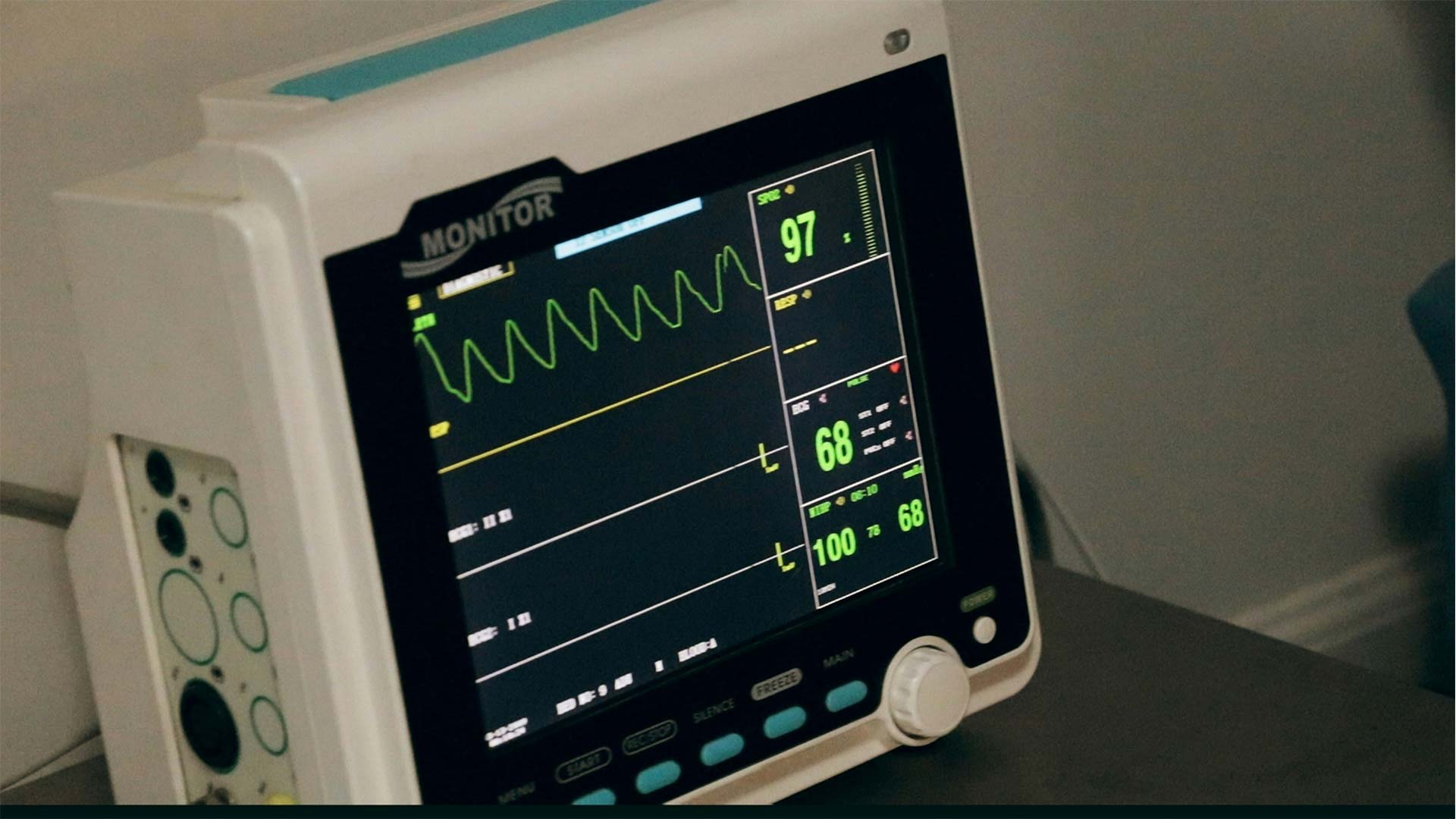
Opioid misuse can raise the risk of serious heart issues, such as irregular heartbeat, elevated blood pressure, and heart attacks, especially in those with existing cardiovascular problems.

doctor and patient in the hospital room

Long-term opioid misuse can strain the liver, increasing the risk of liver damage or even liver failure. This danger becomes greater when opioids are used alongside other substances that impact liver function.

person with her hand on her head going through trazodone withdrawal

Ongoing opioid misuse can worsen mental health issues like depression and anxiety, often creating a cycle where individuals use the drug to cope with emotional distress, which in turn deepens dependence.

man lying on brown cardboard box

Opioid misuse can damage personal relationships, result in legal troubles, and create financial strain due to the costs of obtaining the drug and the potential loss of income or employment.

Join a community of survivors. Beat opioid addiction together!

What Does Tramadol Treat?

Tramadol is commonly prescribed to relieve moderate to moderately severe pain and is used for various conditions, including:

Acute Pain

It helps relieve short-term pain after surgeries, injuries, or medical procedures by changing how the body perceives pain, easing discomfort during recovery.

Chronic Pain

For chronic conditions such as arthritis or back pain, tramadol helps manage ongoing discomfort by influencing neurotransmitters in the brain and spinal cord, providing lasting relief and improving daily function.

Seeking help for tramadol addiction can feel overwhelming, but there are personalized recovery options available for you or your loved ones.

At The Hope House, a leading addiction treatment center in Arizona, we specialize in comprehensive programs that address a wide range of substance use challenges. Surrounded by the tranquil desert mountains near Scottsdale, our facilities provide a peaceful environment and expert care to support you every step of the way toward lasting recovery.

Learn to recognize the signs of opioid abuse. Knowledge is the first step toward prevention!

Embrace the power of collaboration in healthcare. Dive into the Podcast Episode!