Why Sober Living and IOP Work Better Together

Medical Providers:
Dr. Michael Vines, MD
Alex Spritzer, FNP, CARN-AP, PMHNP
Clinical Providers:
Natalie Foster, LPC-S, MS
Last Updated: August 14, 2026

Recovery doesn’t happen in a straight line, and treatment alone rarely covers everything a person needs to rebuild their life. That’s the gap sober living and IOP were designed to close — one offers a stable place to live, the other keeps clinical support close by while someone steps back into daily responsibilities.

Our Treatment Centers

Ready to combine structure with real support? Talk to our team today.

What Is IOP and Sober Living?

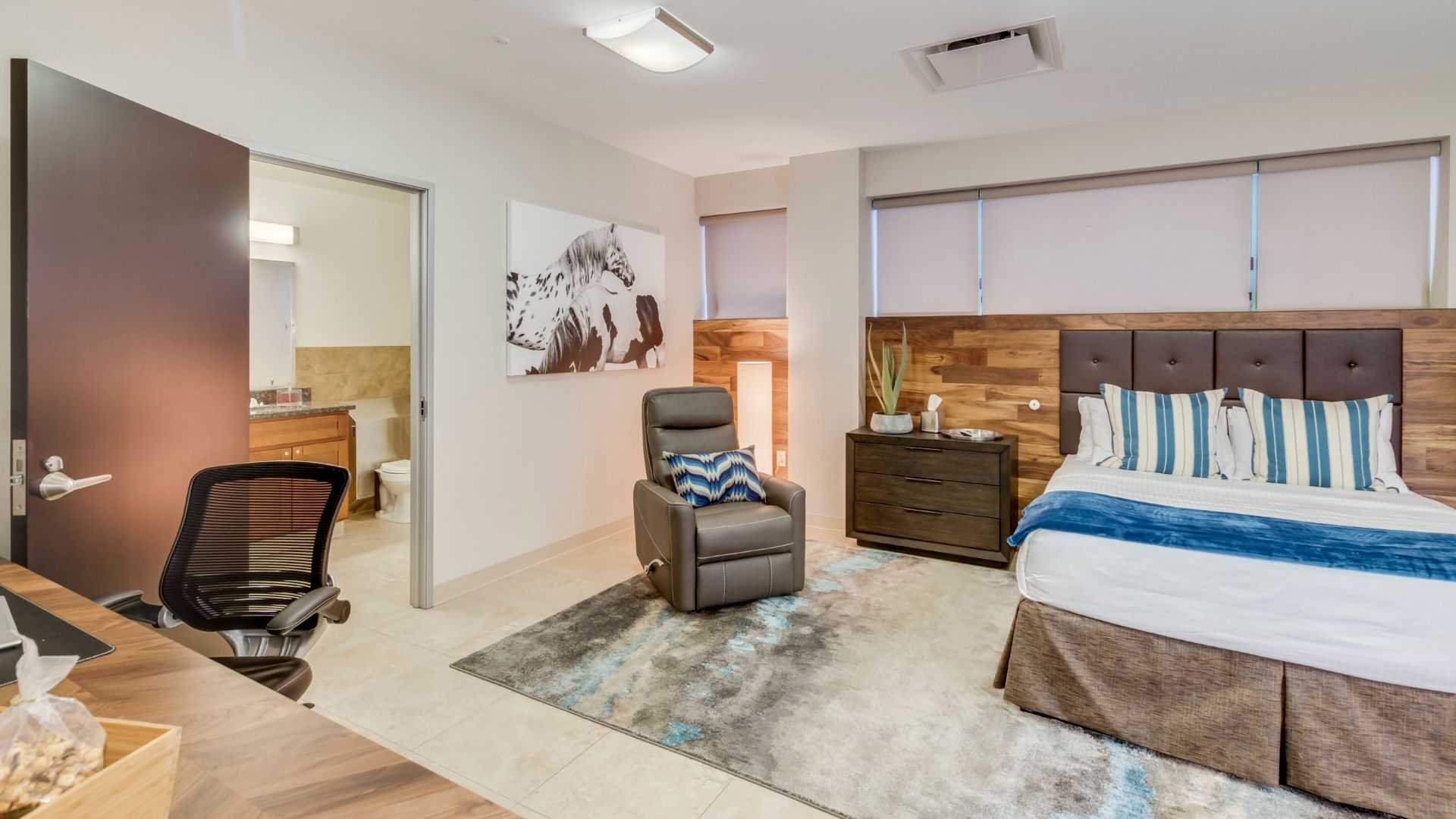
Sober living homes are structured, substance-free living environments. Residents follow house rules, attend house meetings, and share space with others who are also working toward recovery. There’s no clinical treatment happening inside the home itself — it’s simply a stable, drug-free place to live while someone rebuilds routine and accountability.

An intensive outpatient program, or IOP, is the clinical piece. It’s a level of care that sits between residential treatment and standard outpatient counseling. Someone in an IOP attends group therapy, individual sessions, and sometimes medication management several days a week, while still living independently and managing work, school, or family life.

Pair the two together — IOP and sober living — and you get a sober living with IOP program setup: a safe living environment paired with real clinical structure. Neither piece replaces the other. The living environment handles day-to-day accountability; the outpatient program handles the actual treatment work.

How Sober Living Homes Work With Outpatient Treatment

Outpatient treatment with sober living isn’t a formal, single-facility model in most cases — it’s a coordinated arrangement. Someone lives in a sober living home and commutes to their IOP sessions, whether that’s a few blocks away or a short drive across town.

Why does this matter? Early recovery is fragile. Going straight from a treatment center back into an old apartment, an old routine, or an old social circle can undo progress fast. A sober living home acts as a buffer. It gives someone time to practice new habits, attend house meetings, lean on peer support, and still get the clinical care an IOP provides.

This combination also helps address co-occurring disorders. Substance use disorders rarely show up alone — anxiety, depression, and other mental health conditions often ride alongside them. An IOP can offer the counseling and medication management piece, while the sober living environment offers the daily stability that makes it easier to actually show up for those sessions.

Structure and support, working together. See if this fits your recovery plan.

What Happens in an Intensive Outpatient Program

A typical IOP schedule runs three to five days a week, usually a few hours per session. Group therapy tends to be the backbone — sharing experiences, working through relapse prevention strategies, and building coping skills alongside others facing similar struggles. Individual therapy rounds out the picture, giving space to work through things that don’t always come up in a group setting.

Some programs offer medication management for people who need it, particularly those managing co-occurring disorders where medication plays a role in stability. This is one reason intensive outpatient program (IOP) tracks are often considered a strong middle step — enough structure to matter, without requiring someone to live at a facility.

Compare that to partial hospitalization, which typically means more hours per day and a higher level of clinical oversight. IOP asks less of someone’s schedule but still delivers structured treatment. For many people stepping down from a higher level of care, or stepping up from standard outpatient sessions, it’s the right fit.

Benefits of Combining Sober Living With IOP

The biggest benefit is simple: nobody is left to figure recovery out alone in an empty apartment. A living environment full of peers who understand what someone is going through makes a measurable difference. Peer support isn’t just a nice add-on — it’s often the thing that gets someone through a hard Tuesday night when treatment isn’t in session.

There’s also the matter of relapse prevention. Old environments carry old triggers. A sober living home removes a lot of that risk simply by changing the physical space someone comes home to each day. Combine that with the coping tools built in group therapy, and the odds shift in someone’s favor.

Don't recover alone. Find your structured living environment now.

Who Is a Good Fit for Sober Living With an IOP Program?

This setup tends to work well for people who’ve completed a higher level of care — residential treatment or partial hospitalization — and need a step down that doesn’t drop them straight into old routines. It also fits people who are newly sober and know that an unsupervised living situation would put their recovery journey at risk.

It’s not the right call for everyone, though. Someone in acute crisis, or with medical needs that require round-the-clock supervision, likely needs a higher level of care first. An honest conversation with a treatment team is the fastest way to figure out where someone actually stands.

What to Expect Day to Day

Mornings in a sober living home often start with house responsibilities — chores, check-ins, maybe a house meeting before everyone heads out. Then it’s off to IOP sessions, whether that’s group therapy in the late morning or an evening slot after work. Evenings back at the house might include another house meeting, some downtime, or simply the ordinary business of cooking dinner and doing laundry alongside people who get it.

It’s a rhythm, not a rigid script. But that rhythm is exactly the point — structured treatment works best when it’s reinforced by a living environment that supports it instead of undermining it.

Picture your week with real structure. Let's map out your program.

Choosing the Right Level of Care

Not every outpatient program offers the same thing, and not every sober living home partners closely with clinical providers. Ask how a program coordinates care between the two, how often house meetings happen, and what a typical week actually looks like before committing.

Arizona IOP is an outpatient rehab that focuses on this exact level of care. The program offers group therapy, individual counseling, and medication management for those managing substance use disorders and co-occurring mental health conditions, all designed to work alongside a stable sober living environment. Arizona IOP doesn’t provide residential housing itself, but works with clients to coordinate outpatient treatment that fits around a sober living arrangement — giving people the clinical support they need while they rebuild a life that lasts.

Your recovery deserves real support. Reach out to Arizona IOP today.