What Is Benzodiazepines? Understanding Risks and Effects

Medical Providers:
Dr. Michael Vines, MD
Alex Spritzer, FNP, CARN-AP, PMHNP
Clinical Providers:
Natalie Foster, LPC-S, MS
Last Updated: September 16, 2025

Benzodiazepines are a type of prescription medication often used to manage anxiety, sleep disorders, and certain medical conditions. While they can be helpful when taken as directed, their high risk for dependence has raised serious concerns about long-term health and safety.

Each year, an estimated 1.4 million Americans misuse benzodiazepines, showing just how important it is to understand the risks and find the right support.

If you or someone close to you is struggling with benzodiazepine use, professional help is available. Outpatient programs and at-home care options can guide you toward recovery while allowing you to maintain your daily routine.

Our Benzodiazepines Addiction Treatment Centers

Recover & Reclaim Life. at Arizona IOP


Benzodiazepines are prescription medications often recommended for anxiety, insomnia, and certain other conditions. Approved by the Food and Drug Administration (FDA), they work by boosting the effects of gamma-aminobutyric acid (GABA), a neurotransmitter that slows brain activity and promotes relaxation.

Strongest Benzodiazepines

Not all benzodiazepines have the same strength. Some are more potent and act faster than others. A few of the strongest options include:

Commonly known as Rohypnol or “roofies,” this drug is widely recognized for its powerful sedative effects and has unfortunately been linked to drug-facilitated assaults.

Known by its brand name Halcion, this medication is often prescribed for insomnia and is considered one of the most potent benzodiazepines on the market.

Better known as Klonopin, this medication is commonly prescribed to help manage panic disorders and control seizures.

Questions icon related to Klonopin detection and addiction treatment.

How Long Benzodiazepines Stay in Your System?

How long benzodiazepines stay in your system depends on several factors, such as the type of medication, the amount taken, and your body’s metabolism. Below are general timelines for how long these drugs can be detected in different bodily fluids:

Urine sample container illustrating Klonopin detection in drug tests, relevant to drug detection times and testing methods.

Urine

In urine, benzodiazepines may be detectable for up to six weeks after the last dose, though this can vary based on the type of medication and the amount taken.

Test tube illustrating blood test procedures for detecting Klonopin levels in drug testing.

Blood

In blood, benzodiazepines are typically detectable for up to 48 hours after the final dose.

Saliva test kit for drug detection, featuring a swab and vial, relevant to Klonopin testing duration and methods.

Saliva

In saliva, benzodiazepines can usually be detected for up to 10 days after the last dose, though this may vary based on the medication and dosage.

Keep in mind that these timelines are only general guidelines. The actual amount of time benzodiazepines stay in your system can differ greatly from person to person. If you have concerns about benzodiazepine use or testing, it’s best to speak with a healthcare professional for guidance tailored to your situation.

If you’re prescribed benzodiazepines, it’s important to understand that they can be habit-forming. These medications are often used to manage anxiety, insomnia, and similar conditions, and they can be very effective when taken as directed.

However, long-term use can increase the risk of dependence. Over time, some people may start relying on benzodiazepines to get through daily life, which can make quitting difficult and lead to uncomfortable withdrawal symptoms.

Questions icon related to Klonopin detection and addiction treatment.

Why Benzodiazepines are Addictive?

Benzodiazepines can lead to both physical and psychological dependence. As your brain adjusts to the medication, it becomes less responsive to its effects. Over time, this can mean needing higher doses to feel the same level of calm or relaxation, which increases the risk of addiction.

Signs of Benzo Addiction

If you’re struggling with benzodiazepine addiction, you might notice changes in your body, mind, and behavior. Common signs of Benzo addiction can include:

Person experiencing fatigue and low energy during phentermine withdrawal.

Weakness

Icon representing blurred vision, emphasizing symptoms related to benzodiazepine addiction and its effects on perception and clarity.

Blurred vision

Icon of a person experiencing drowsiness, with zigzag lines above the head symbolizing sleepiness, relevant to benzodiazepine addiction symptoms.

Drowsiness

Icon of a human head with a brain and question marks, symbolizing impaired memory and confusion related to benzodiazepine addiction.

Poor judgment or thinking

Luxurious bedroom with a cozy fireplace, large windows showcasing mountain views, and elegant furnishings, creating a serene atmosphere suitable for relaxation and recovery.

Doctor shopping

Brain illustration depicting cravings and dependence on benzodiazepines.

Cravings for benzodiazepines

Icon of a head with sweat droplets, symbolizing excessive sweating during heroin withdrawal, relevant to symptoms discussed in addiction recovery.

Withdrawal symptoms

If you notice any of these symptoms, reach out to your doctor or a healthcare professional. They can guide you in creating a safe, personalized plan to help you overcome benzodiazepine addiction.

Questions icon related to Klonopin detection and addiction treatment.

How Long Does It Take to Get Addicted to Benzos?

The time it takes to develop a benzodiazepine addiction varies from person to person. Factors like dosage, how often you take the medication, and your body’s unique response all play a role. Generally, the longer you use benzodiazepines, the higher the risk of addiction—but for some, dependence can develop in just a few weeks.

That’s why it’s so important to take these medications exactly as prescribed and stay aware of the risks. If you’re worried about your benzodiazepine use, talk to your doctor. They can help you manage your symptoms safely and create a plan to lower your risk of addiction.

Using benzodiazepines for a long time can lead to certain risks and side effects. Understanding these potential issues can help you make informed decisions about your treatment and overall health.

Physical Side Effects

Extended use of benzodiazepines can cause physical side effects that impact different parts of your body. Some of the most common effects include:

Icon depicting a human torso with benzodiazepine pills, symbolizing tolerance and dependence on medication.

Tolerance

Over time, your body can build a tolerance to benzodiazepines, meaning you may need higher doses to feel the same calming effects.

Brain illustration depicting cravings and dependence on benzodiazepines.

Dependence

Using benzodiazepines for a long time can lead to physical dependence, where your body begins to rely on the medication to function normally. Stopping suddenly can trigger withdrawal symptoms, which is why medical guidance is so important.

Icon of a human head silhouette with puzzle pieces, symbolizing cognitive impairment related to benzodiazepine use and its effects on mental health.

Cognitive impairment

Benzodiazepines can affect cognitive function over time, making it harder to focus, remember information, or make clear decisions.

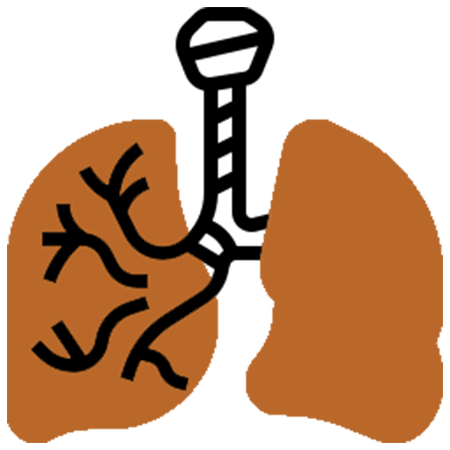
Illustration of lungs with a bronchial tree, symbolizing respiratory issues related to benzodiazepine use and potential respiratory depression.

Respiratory depression

Taking high doses of benzodiazepines can lead to respiratory depression, a condition where your breathing slows to potentially dangerous levels.

Mental Health Side Effects

Extended use of benzodiazepines can impact your mental well-being. Some of the common psychological side effects include:

Scenic view from a stone balcony overlooking desert landscape and mountains at sunset, reflecting a tranquil environment related to wellness and recovery themes.

Depression

Benzodiazepines may trigger or worsen depression, leading to persistent feelings of sadness, hopelessness, or low self-worth.

Icon of a human head with swirling patterns representing anxiety and cognitive effects related to benzodiazepine use, emphasizing mental health concerns.

Anxiety

Benzodiazepines can lead to rebound anxiety, where anxiety symptoms temporarily intensify after stopping the medication.

Brain illustration symbolizing cognitive impairment related to benzodiazepine use and its effects on mental health.

Memory problems

Benzodiazepines can affect memory, making it harder to recall information or learn new things.

Icon representing mental health and psychosis, illustrating the brain's complexity in relation to benzodiazepine side effects and addiction risks.

Psychosis

In rare cases, benzodiazepines may trigger psychosis, a serious mental health condition that can involve hallucinations, delusions, and confused thinking.

Risks

Long-term use of benzodiazepines can also raise your risk of developing:

Brain illustration depicting cravings and dependence on benzodiazepines.

Addiction

Benzodiazepines carry a high risk of addiction, and prolonged use can make dependence more likely.

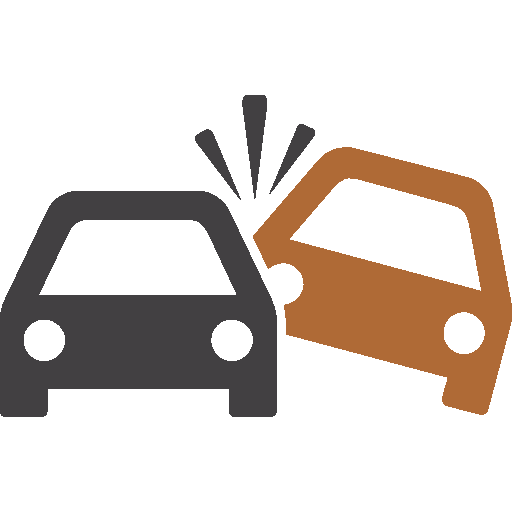
Car collision illustrating accident risk and impaired coordination due to benzodiazepines.

Accidents

Benzodiazepines can affect your coordination and reaction time, raising the likelihood of accidents or injuries.

Benzodiazepine capsule icon with warning triangle and skull symbol, representing overdose risks and potential dangers of benzodiazepine use.

Overdose

Taking high doses of benzodiazepines can lead to an overdose, which can be life-threatening and requires immediate medical attention.

Before starting benzodiazepines, it’s important to discuss the potential long-term risks and side effects with your doctor. They can help you weigh the benefits, understand the risks, and create a plan to manage any side effects safely.

Benzodiazepine overdose can happen if someone takes too much of the medication, whether accidentally or intentionally. Signs of an overdose may include confusion, extreme drowsiness, blurred vision, slurred speech, and trouble breathing. In severe cases, an overdose can lead to coma or even be fatal.

If you suspect a benzodiazepine overdose, seek emergency medical help immediately. Prompt treatment is critical to prevent serious complications.

Antidote for Benzodiazepine Overdose

Flumazenil is the medication used to reverse the effects of a benzodiazepine overdose. While effective, it carries risks such as triggering seizures—particularly in individuals who are physically dependent on benzodiazepines—and can cause withdrawal symptoms.

Because of these dangers, flumazenil should only be administered in a hospital setting under strict medical supervision and is generally avoided in people at high risk of seizures or who have developed benzodiazepine dependence.

Ready To Reclaim Life? Call Arizona IOP Today

If you or a loved one is struggling with benzodiazepine use, seeking professional support is crucial. Treatment can guide you through safely reducing your use and help you maintain long-term recovery. Various outpatient and at-home programs can be customized to meet your specific needs.

Benzodiazepine Withdrawal Treatment

A key step in overcoming benzodiazepine dependence is detoxification. This process involves gradually tapering off the medication under medical supervision to reduce withdrawal symptoms. Because withdrawal can be intense and, in some cases, dangerous, professional guidance is strongly recommended.

Common withdrawal symptoms may include:

  • Anxiety and panic attacks
  • Insomnia
  • Nausea and vomiting
  • Sweating and tremors
  • Elevated heart rate and blood pressure
  • Seizures (in severe cases)

A medically supervised tapering plan ensures that withdrawal is as safe and comfortable as possible, helping you reduce the risk of complications while supporting your journey toward recovery.

Questions icon related to Klonopin detection and addiction treatment.

How Long Does Benzodiazepine Withdrawal Take?

The length of benzodiazepine withdrawal can differ from person to person, depending on factors such as the specific medication, how long it was used, and overall health. For some, withdrawal symptoms may last several weeks or even months.

Having a personalized treatment plan is essential. Your plan may include outpatient care, at-home recovery programs, or a combination of approaches designed to address your unique needs and support a safe, successful recovery.

Get the best Benzodiazepines addiction treatment. At Arizona IOP Today

Recovering from benzodiazepine addiction often involves a mix of therapy, support groups, and, in some cases, medication-assisted treatment. Therapy can help address underlying mental health concerns or substance use issues that may have contributed to benzodiazepine use.

Outpatient programs provide flexibility for individuals with work, school, or family commitments. These programs typically include regular therapy sessions and support group meetings while allowing you to continue your daily routine. For those with more severe addiction or co-occurring mental health conditions, more intensive care may be needed, but many individuals can achieve recovery successfully through structured outpatient and at-home programs.
For those seeking benzodiazepine recovery support near you, Arizona IOP in Scottsdale, Arizona, offers personalized outpatient and at-home programs led by experienced clinicians and addiction specialists. Our team is dedicated to helping clients develop the tools needed for lasting sobriety.

We provide flexible programs tailored to individual needs, including short-term and extended outpatient options. We also accept a variety of insurance plans, including Aetna, Cigna, UnitedHealthcare, GEHA, and more.

If you prefer exploring other treatment locations, the SAMHSA locator tool can help you find nearby outpatient and at-home programs that fit your needs.